

What is e‑liquid? A short overview
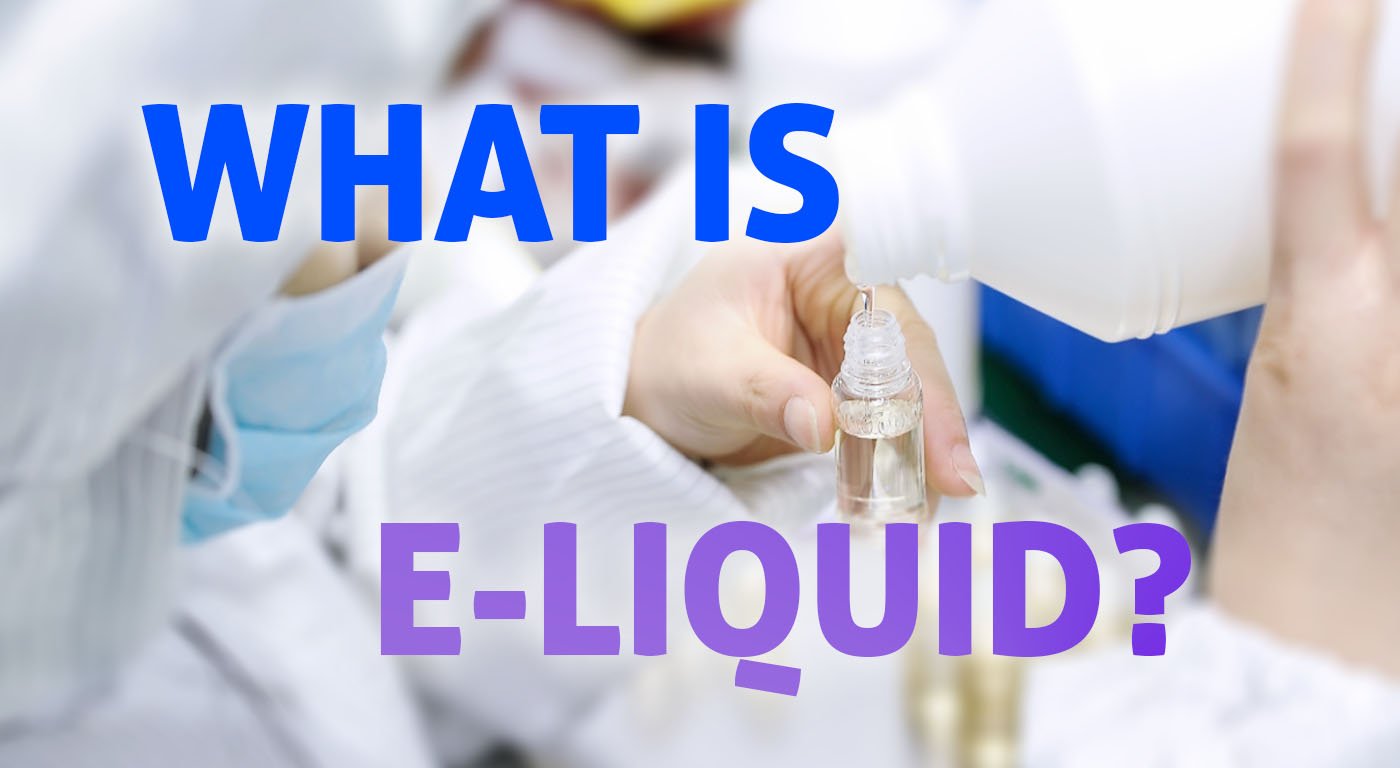
E‑liquid (often called vape juice or e‑juice) is the liquid used in electronic cigarettes and refillable vaping devices. An NHS Inform guide explains that a vape holds a cartridge of liquid nicotine which is heated by a small coil; when the liquid warms, it turns into a vapour that is inhaled. The vapour allows nicotine and other ingredients to enter the body without burning tobacco.
Basic ingredients
Public Health England’s evidence reviews note that e‑cigarette liquid is typically made up of a handful of components: nicotine (optional), propylene glycol (PG), vegetable glycerine (VG) and flavourings. PG and VG are common food additives that form the base of the liquid. They create the “throat hit” and cloud when heated. Flavourings provide taste, and pharmaceutical‑grade nicotine may be added in strengths up to 20 mg/ml under UK law. There are also nicotine‑free options.
How e‑liquid works inside a vape
When the user activates the device, the heating element warms the e‑liquid. This transforms the liquid into an aerosol that can be inhaled. Because there is no combustion, the vapour contains far fewer harmful chemicals than cigarette smoke. An NHS page notes that vaping delivers nicotine by heating an e‑liquid and exposes users to fewer toxins and at lower levels than smoking. However, nicotine is still addictive. The NHS emphasises that nicotine itself does not cause cancer or lung disease, but it is the substance that keeps people dependent on tobacco. If you do not smoke, you should not start vaping.
Choosing the right nicotine strength
Selecting the correct nicotine strength is important when switching from cigarettes. A NHS myth‑busting guide says you should pick an e‑liquid with enough nicotine to manage cravings. Many people start at a higher strength and gradually reduce their nicotine level over time. Seek advice from a stop‑smoking service or specialist vape shop if unsure.
Regulation of e‑liquids in the UK
The UK has some of the strictest e‑cigarette regulation in the world. Under the Tobacco and Related Products Regulations 2016:
E‑liquid refill containers may contain no more than 10 ml of nicotine‑containing liquid and must have a maximum nicotine strength of 20 mg/ml.
Tanks or pods are limited to 2 ml capacity
Certain additives, including colourings, caffeine and taurine, are banned.
Packaging must be child‑resistant and tamper‑evident.
Every e‑cigarette and e‑liquid must be notified and published by the UK Medicines and Healthcare products Regulatory Agency (MHRA) before it can be sold.
An NHS facts page reiterates that UK‑regulated nicotine vaping products are tightly controlled for safety and quality. Only buy from reputable retailers; unregulated or illicit liquids may contain unsafe ingredients.
Health considerations and safety tips
Vaping is less harmful than smoking, but it is not risk‑free. Research summarised by Public Health England and the NHS shows that vaping produces fewer toxins than cigarettes. Nicotine vapes are one of the most effective stop‑smoking aids, yet the health benefit comes from quitting smoking, not from vaping itself.
Key points to remember:
Avoid vaping if you do not already smoke. Nicotine is highly addictive.
Do not vape around babies or children. Although current evidence suggests there is no serious risk to bystanders, UK health authorities advise being considerate and avoiding vaping near young people or those with respiratory conditions.
Check ingredient lists. Diacetyl, a flavouring linked to “popcorn lung,” is banned in UK‑regulated e‑liquids.
Follow manufacturer instructions. Use the correct coils and wattage to avoid overheating the liquid.
Store e‑liquid safely. Keep bottles out of reach of children and pets and in a cool, dark place.
Types of e‑liquid
Different formulas cater to different preferences:
High‑PG blends deliver a stronger throat hit and carry flavours well; they suit low‑power devices.
High‑VG blends produce thicker vapour clouds and a smoother throat feel, preferred by sub‑ohm vapers.
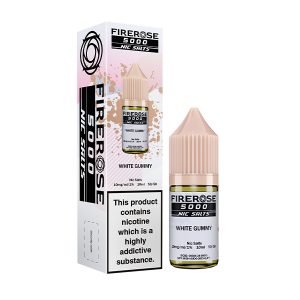
Nicotine salt e‑liquids use nicotine salts for quicker absorption and a smoother draw, making them popular among recent ex‑smokers.
Short‑fill bottles come nicotine‑free with space to add a nicotine shot (10 ml) to comply with the 10 ml nicotine limit.
Conclusion
E‑liquid is the fuel that powers e‑cigarettes. It is usually a simple mixture of propylene glycol, vegetable glycerine, flavourings and, if desired, nicotine. When heated, it creates a vapour that can satisfy cravings without the many toxins in cigarette smoke. The UK regulates e‑liquids strictly, setting caps on nicotine strength and bottle size, banning harmful additives and requiring MHRA notification. If you smoke and are thinking about switching, consult a healthcare professional or stop‑smoking service for personalised advice.